
The 6 Most Common Causes of Water Leaks in Homes
The 6 Most Common Causes of Water Leaks in Homes October 2, 2025
Water leaks in homes can cause extensive damage and lead to costly repairs if not addressed promptly by a local plumbing company. Understanding the most common causes of these leaks and learning how to prevent them can save you time, money, and stress.
1. Leaking Faucets
Leaking faucets are often caused by small and seemingly insignificant components that wear out over time. One common reason is the deterioration of washers, which can lead to constant dripping. Alternatively, corrosion in the valve seat, which connects the faucet to the spout, can also result in leaks. Improper installation, where parts are not aligned correctly, is another frequent culprit.
According to Jobber, a leaky faucet can waste 3,000 gallons of water a year. Repairing a leaking faucet typically involves replacing worn-out components. Start by turning off the water supply and disassembling the faucet to access the parts. Examine washers, O-rings, and other components for any signs of damage or wear. Turning to a local plumbing company can help you replace these components with high-quality alternatives to ensure longevity.
2. Pipe Leaks
Pipes made from different materials exhibit distinct vulnerabilities to leaking. Galvanized steel pipes are prone to corrosion over time, which may lead to leaks. Copper pipes can be affected by a high-acid water supply. PVC pipes are not immune to damage from extreme temperatures.
One of the first indicators of a pipe leak is a sudden increase in water bills without a corresponding increase in usage. Damp spots on walls, ceilings, or floors are telltale signs of a hidden leak. Homeowners should also check for mold or mildew, which thrives in moist environments. Addressing these signs immediately with the help of a local plumbing company can prevent more severe damage to the property's structure.
3. Leaking Toilets
Toilet leaks are frequently caused by malfunctioning components within the toilet tank. Faulty flappers are among the most common culprits, allowing water to seep from the tank to the bowl. Problems can also arise from fill valves that do not close properly, leading to continuous water flow.
The dye test is a popular detection method, where food coloring is added to the tank to see if it seeps into the bowl without flushing. Addressing toilet leaks usually involves replacing the defective components. Flappers should be checked for wear and swapped out if they don't form a tight seal. Persistent toilet leaks that resist simple fixes require help from a local plumbing company.
4. Roof Leaks
Roof leaks can arise from several common issues. Damaged or missing shingles are frequent culprits, as they expose roofs to moisture intrusion. Additionally, clogged gutters can trap water, causing it to seep under the roof edges. Faulty flashing or improperly sealed skylights are other areas vulnerable to leaks.
Inside, look for water stains on ceilings or walls, often an indicator of external moisture entering the structure. From the exterior, scanning the roof for damaged shingles or visible gaps can help pinpoint problem areas.
5. Basement Leaks
Basements are notorious for susceptibility to leaks. Poor drainage systems can cause water to build up around the foundation, leading to seepage. Cracks in foundation walls or floors provide pathways for water ingress during heavy rainfalls. Additionally, plumbing issues, such as pipe leaks within walls, often reveal themselves in basement areas.
Symptoms of water intrusion in a basement can manifest in several forms: moisture or damp spots on walls and floors, puddles especially during rainfall, and musty odors signaling prolonged dampness.
6. Appliance Leaks
Appliance leaks are a frequent occurrence in homes and can stem from various devices. Dishwashers may leak due to faulty door seals or clogged drain lines. Washing machines can develop leaks from deteriorated hoses or disconnected coupling valves. Refrigerators sometimes present leaks when defrost drains are blocked or water lines crack.
Inspect the hoses and connections regularly for signs of wear or detachment. Puddles beneath or around appliances often indicate leaking and should be addressed immediately.
Water leaks in homes can stem from various sources, including plumbing fixtures, roofing, basements, and appliances. Proactive maintenance and timely repairs are crucial in preventing significant water damage. By understanding the common causes and turning to the help of professionals at a local plumbing company like Monona Plumbing & Fire Protection, you can protect your investments and ensure a safe and dry living environment.
Related Posts
-
Emergency Plumbing Services: When to Call the Experts
When the unexpected strikes, having access to reliable plumbing services becomes the critical barrier between a quick resolution and total home devastation.
-
How Plumbing Leaks Impact Your Home Over Time
Protect your home from water damage with Monona Plumbing & Fire Protection. Contact us for expert plumbing services to catch leaks before they get costly!
-
What Should You Look for in a Local Plumber?
Finding reliable local plumbers can often feel daunting, especially when faced with an unexpected plumbing issue. Learn what to look for in a professional.
-
What to Do When You Have a Plumbing Emergency
Find out what steps to take during a plumbing emergency and how local plumbers can quickly restore safety and functionality to your home.
-
4 Reasons Why You Should Avoid DIY Plumbing
Discover four key reasons to avoid DIY plumbing and how professional plumbing services can save you time, money, and prevent costly water damage.
-
Why Hiring Licensed Plumbing Companies Matters
Discover the reason why hiring licensed plumbing companies ensures safety, quality work, and compliance with local codes—protecting your home and investment.
-
When to Schedule a Plumbing Inspection
Schedule an inspection with expert plumbers to prevent issues, prepare for renovations, and maintain your system effectively.
-
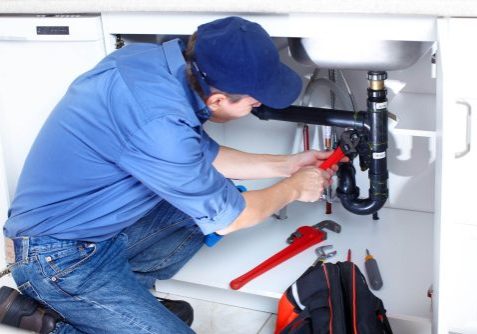
The Hidden Costs of Delaying Plumbing Repairs
Delaying plumbing repairs can lead to water damage, mold growth, and higher utility bills. Learn when to call a plumbing contractor to protect your home.
-
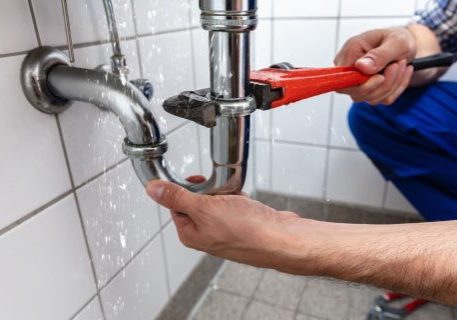
How Plumbing Companies Detect Hidden Leaks
Discover how professional plumbing companies can detect and resolve hidden leaks that could be negatively affecting your home.
-
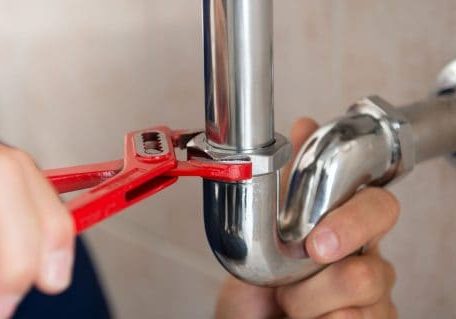
Call an Emergency Plumber if You Notice These Issues
Emergency plumbers are standing by to assist with a wide range of plumbing emergencies. Here are some common issues that signal the need for emergency support.