
6 Simple Plumbing Tips Every Homeowner Should Know
6 Simple Plumbing Tips Every Homeowner Should Know January 13, 2026
Plumbing issues can range from minor annoyances to major disasters that disrupt daily life and damage your home. Understanding a few basic plumbing tips can empower homeowners to tackle common problems, perform preventive maintenance, and even save money. Whether you are addressing a small leak, unclogging a drain, or preparing for more significant plumbing challenges, having the right knowledge and tools is essential. By understanding the core elements of your plumbing system and adopting practical strategies, you can safeguard your home, improve efficiency, and extend the lifespan of your pipes and fixtures. Even simple preventative steps can prevent costly repairs and reduce water waste over time. This guide outlines six essential plumbing tips every homeowner should know.
1. Learn Your Home's Plumbing System
A strong foundation in plumbing begins with understanding the system itself. Most residential plumbing consists of two main components: the supply lines that bring clean water into the home and the drainage system that removes wastewater. Start by obtaining your home's plumbing layout, often available in blueprints, to track pipes and fixtures from the main water line to discharge points. Knowing the path of your pipes can help identify weak spots and plan for repairs or renovations.
Identifying key components is equally important. Pipes may be copper, PVC, or PEX, each offering specific advantages, while fittings connect pipe sections, and valves control water flow. Recognizing these components helps when troubleshooting leaks, blockages, or other malfunctions. Monitoring water pressure is vital, as high pressure can strain pipes, while low pressure limits appliance efficiency. Homes should maintain water pressure between 40 and 60 PSI, which can easily be monitored with a simple water pressure gauge.
Equally critical is knowing the location of your shut-off valves. Each fixture typically has an individual valve, while a main valve controls the entire house. In emergencies, quick access to these valves can prevent extensive water damage. Familiarity with your system allows homeowners to take swift, informed action.
2. Keep Essential Plumbing Tools On Hand
Having the right tools on hand is crucial for handling minor plumbing issues efficiently. A plunger is a must-have, useful for clearing clogs in sinks, tubs, and toilets. Both cup plungers for sinks and flange plungers for toilets ensure proper suction and blockage removal.
Wrenches are also essential. A basin wrench is ideal for faucet nuts in tight spaces, an adjustable wrench suits various fittings, and a pipe wrench provides strength for threaded connections. Knowing the correct wrench to use simplifies repairs and reduces the risk of damaging pipes or fixtures.
Other indispensable tools include plumbing tape (also called Teflon or thread seal tape) which ensures leak-free pipe connections, and a pipe cutter for precise cuts on copper, PVC, or PEX pipes. A well-stocked toolkit makes tackling plumbing issues less stressful and supports efficient home maintenance.
3. Address Common Plumbing Problems Promptly
Many plumbing issues are preventable or manageable with basic knowledge and tools. Leaky faucets waste significant amounts of water. According to Jobber, a leaky faucet can waste 3,000 gallons of water a year. Most leaks are caused by worn washers, cartridges, or disks and can often be fixed with a few simple tools.
Clogged drains are another common concern. Hair, soap scum, and grease can obstruct pipes, but regular cleaning using baking soda, vinegar, or a plumber's snake can prevent backups. Similarly, running toilets caused by faulty flappers or fill valves are easily repaired and save water and money.
Water heaters also require attention. Fluctuating temperatures, leaks, or unusual noises often signal issues that can be resolved through regular maintenance, such as flushing sediment buildup or checking valves.
4. Perform Regular Preventive Maintenance
Preventive maintenance is essential to extend the life of your plumbing system and avoid costly repairs. Regularly inspecting pipes, faucets, and drains for leaks can prevent water damage and reduce utility bills.
Cleaning showerheads and faucet aerators removes mineral buildup, ensuring proper water flow. Monitoring water pressure with a gauge helps maintain safe levels between 40 and 60 PSI, preventing leaks and protecting appliances.
In colder months, frozen pipes are a serious concern. Insulating vulnerable pipes, sealing gaps, and keeping a small trickle of water running can prevent bursts. Regular water heater maintenance, including sediment removal and component inspections, ensures consistent hot water and system efficiency.
5. Know When to DIY and When to Call a Professional
Many minor plumbing repairs can be done by homeowners, saving both time and money. Tasks such as unclogging drains, replacing fixtures, or fixing minor leaks often require only basic tools and knowledge.
However, it is equally important to recognize the limits of DIY. Complex problems like mainline leaks, extensive pipe replacements, or work involving gas lines require licensed professionals. Knowing when to call for assistance safeguards your home, ensures compliance with codes, and prevents costly mistakes.
6. Implement Eco-Friendly Plumbing Practices
Adopting sustainable plumbing practices benefits both the environment and your wallet. Installing low-flow fixtures, such as faucets, toilets, and showerheads, can reduce water usage by 20–60 percent, conserving resources while maintaining comfort.
Reusing grey water, either through simple irrigation methods or advanced dual plumbing systems, further reduces freshwater demand. Fixing leaks promptly and choosing durable, sustainable materials like PEX or copper enhances system longevity while minimizing environmental impact.
Understanding your home's plumbing system, maintaining the right tools, addressing common problems promptly, and adopting preventive practices empowers homeowners to take control of their plumbing needs. For expert guidance and dependable service, trust Monona Plumbing & Fire Protection for all your plumbing services.
Related Posts
-
The Hidden Costs of Delaying Plumbing Repairs
Delaying plumbing repairs can lead to water damage, mold growth, and higher utility bills. Learn when to call a plumbing contractor to protect your home.
-
The 6 Most Common Causes of Water Leaks in Homes
There are a few common causes of water leaks in your home that need the attention of a local plumbing company. Keep reading or contact us today to learn more.
-
How Plumbing Companies Detect Hidden Leaks
Discover how professional plumbing companies can detect and resolve hidden leaks that could be negatively affecting your home.
-
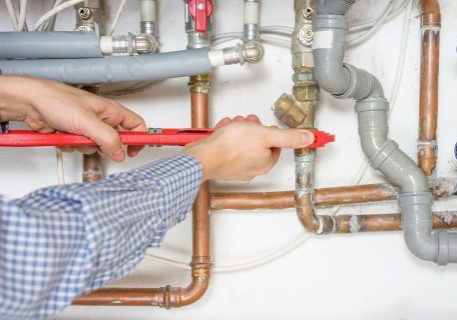
How a Plumbing Company Can Save You Money in the Long Run
A plumbing company provides far more than simple repairs—it offers a pathway to significant long-term savings. Keep reading to learn more!
-
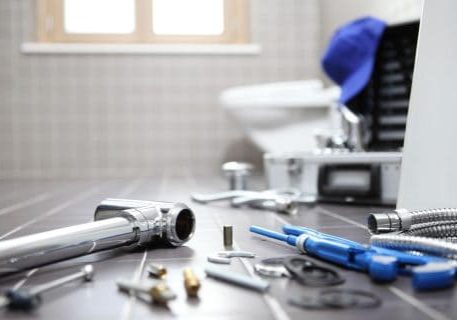
When to Schedule a Plumbing Inspection
Schedule an inspection with expert plumbers to prevent issues, prepare for renovations, and maintain your system effectively.
-
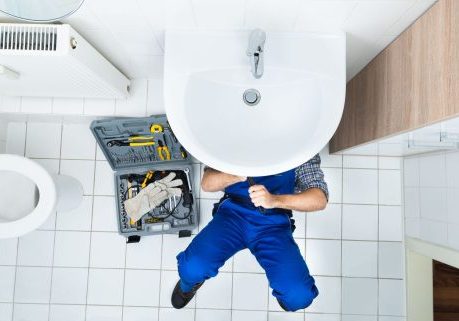
Why Plumbers Are Essential for Home Maintenance
Are you planning on investing time and money into home maintenance? It’s no surprise that plumbers are essential. Read here to learn about their importance.
-
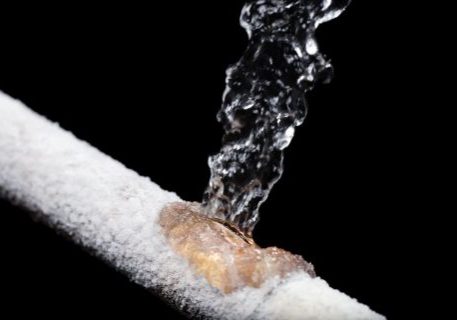
What Are the Top 4 Issues Plumbers Deal With in the Winter?
Discover the top winter problems plumbers face, from frozen pipes to water heater failures, and learn how to protect your home from costly damage.
-
Call an Emergency Plumber if You Notice These Issues
Emergency plumbers are standing by to assist with a wide range of plumbing emergencies. Here are some common issues that signal the need for emergency support.
-
How to Save Money on Plumbing Repairs Without Cutting Corners
Discover tips for saving money on plumbing repairs without cutting corners and causing bigger expenses down the line, including hiring local plumbers over DIY.
-
Six Reasons Why Water Heaters Fail
It’s no fun going without hot water. Here are six telltale signs of a failing water heater and how to prevent failure.